The second largest wetland in South America is located in Argentina: what is it?
Argentina has national parks that place it in a unique position within South America, competing with 300 others. Which is the largest? South America is home to more than 300 national parks, but many go unnoticed. There are extensive wetlands that have been the subject of major ecological restoration projects, to coastal mountains with deep indigenous heritage. Today we tell you the case of one located in Argentina.
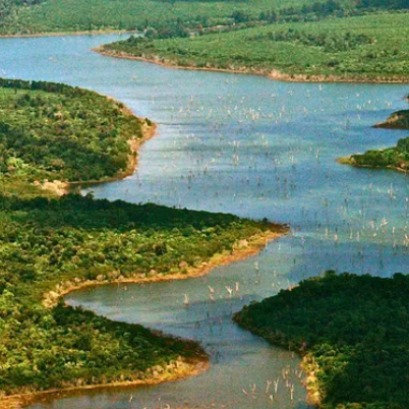
When we talk about national parks, it refers to the areas of the territory that are protected due to their ecological, historical and cultural value. In Argentina, these spaces are created with the main objective of conserving the biodiversity that exists in them and preserving their natural resources for future generations. The second largest National Park in South America is located in Argentina. Argentina is home to one of the most impressive natural treasures on the continent: the Iberá National Park, recognized as the second largest wetland in South America, only surpassed by the Pantanal. The Iberá National Park is a large wetland ecosystem in Corrientes. Located in the province of Corrientes, this nature sanctuary covers nearly 183,500 hectares if the park and the provincial reserve are added, forming a unique ecosystem where water, fauna and vegetation coexist in perfect balance. Iberá is made up of an extensive network of crystalline lagoons, estuaries, marshes and native forests that create one of the richest aquatic systems on the continent. Its changing landscapes make the place an ideal destination for tourism and for capturing magical photos. It is home to more than 4,000 species of flora and fauna, many of them emblematic of Argentina. Among the most characteristic animals are: • Black alligator and alligator • Deer of the swamps, symbol of the area • Capybara, one of the largest rodents in the world • Aguará guazú, species in recovery • Maned wolves, anteaters and giant otters reintroduced in recent years • More than 360 species of birds, turning Iberá into a paradise for birdwatchers Tourism in the Iberá National Park Great Corrientes wetland is organized into several access portals, being part of one of its own characteristics; such as Cambyretá, Laguna Iberá, San Nicolás and Carambola, each with trails, viewpoints and excursions for all tastes. Visitors can enjoy:• Navigations through lagoons and estuaries• Horseback riding and guided walks• Kayaking• Hiking• Photography safaris• Bird watching• Cultural experiences with local communitiesThis National Park is not only the second largest wetland in South America, but also one of the most valuable conservation sites in Argentina. Its immense biodiversity, its unique landscapes and its ecological role make it an essential destination for those seeking to connect with nature in its purest state.•
IT MAY INTEREST YOU
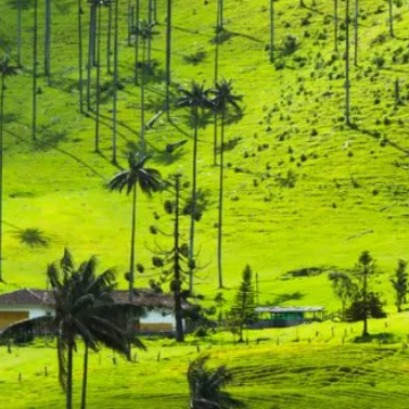 The tallest palm tree in the world is in South America: it is the height of a 20-story building
The worlds tallest palm tree stands deep in South America, a giant that challenges the limits of plant life Deep in South America, between the fog and the mountains, hides a giant tree that few know about. Majestic and silent, challenging the world on what plant life can achieve.
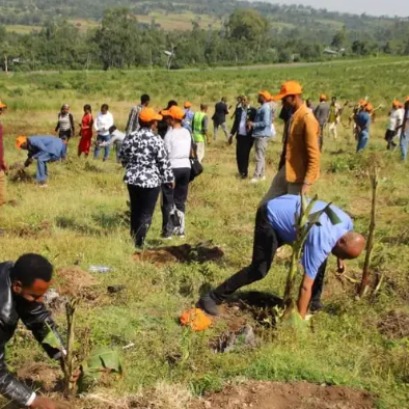 The country that planted 350 million trees in one day and caused great consequences
Discover the country that planted 350 million trees in one day and caused great consequences Climate change and deforestation have caused great ecological damage in many places. For this reason, a country planted 350 million trees in one day and thus obtained a world record, although it is estimated that in 2025, it will plant twice as many.
 Nation reinforces prevention and training against forest fires
The director of the Federal Emergency Agency (AFE), Santiago Hardie, referred to the support that the Nation provides in fighting fires. He argued that the majority of igneous sources respond to human interventions and that, therefore, social awareness is a central tool to reduce environmental, material and human damage.