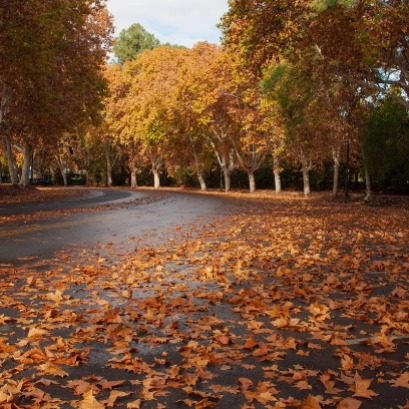
Why do the leaves of the trees change color in autumn?
In autumn, the trees exhibit a change in the color of their leaves as a result of the reduction of sunlight and the decrease in temperatures. All the details.
With the arrival of autumn, the leaves of the trees change color due to a natural process related to the reduction of sunlight and the fall of temperatures. As the days are shortened and the cold increases, in the trees other pigments that give the leaves give the leaves their yellow, orange, red and brown tones characteristic of this station. We tell you what it is. Why do the leaves of the trees change color in autumn? During spring and summer, the leaves of the trees remain green thanks to chlorophyll, the essential pigment for photosynthesis. This substance allows plants to capture sunlight and transform it into chemical energy for growth. However, as autumn approaches and shorten the days, the amount of sunlight decreases and temperatures descend. In response, trees stop the production of chlorophyll, since photosynthesis is reduced and is more expensive energy. Carotenoids are responsible for yellow and orange colors, while anthocyanins produce reddish or violet tones. The combination of these pigments, together with the cellular structure of each species, determines the color palette that characterizes autumn. The fall of the leaves allows the tree to reduce the loss of water and prepare for the winter, when the climatic conditions are more adverse. Thus, the color change of the leaves in autumn is the result of the interaction between environmental and physiological factors, and reminds us of the delicate balance of nature.
IT MAY INTEREST YOU
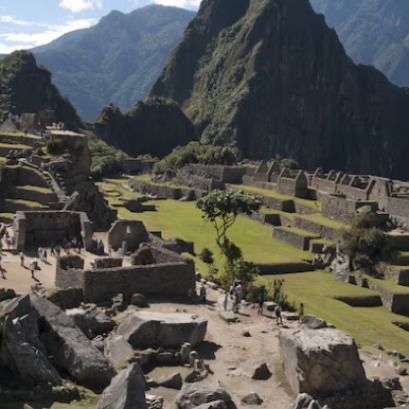 Reforestation advances in the Historic Sanctuary of Machu Picchu with new restored hectares
The plan includes the planting of a thousand new trees in the sanctuary, in response to the damage caused by forest fires and environmental threats, with the support of local authorities and representatives of the tourism sector.
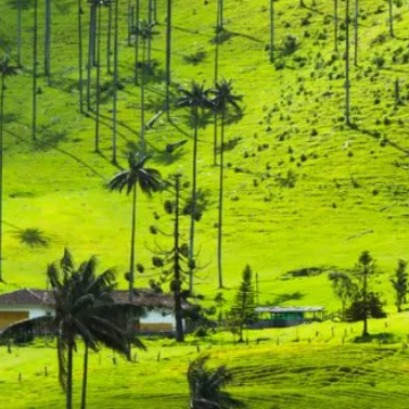 The tallest palm tree in the world is in South America: it is the height of a 20-story building
The worlds tallest palm tree stands deep in South America, a giant that challenges the limits of plant life Deep in South America, between the fog and the mountains, hides a giant tree that few know about. Majestic and silent, challenging the world on what plant life can achieve.
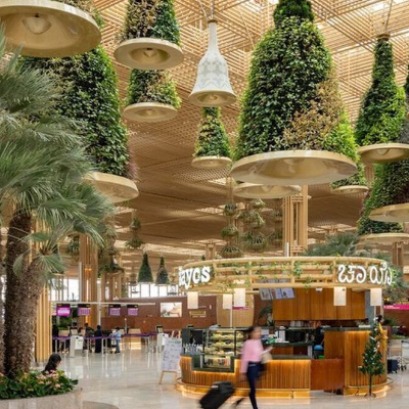 More wood | Air terminals as well-being spaces with design and natural atmosphere
In a world in which mental health, comprehensive well-being and connection with nature are increasingly urgent, wood appears as an increasingly chosen material to transform not only how we live, but also how we feel and move.