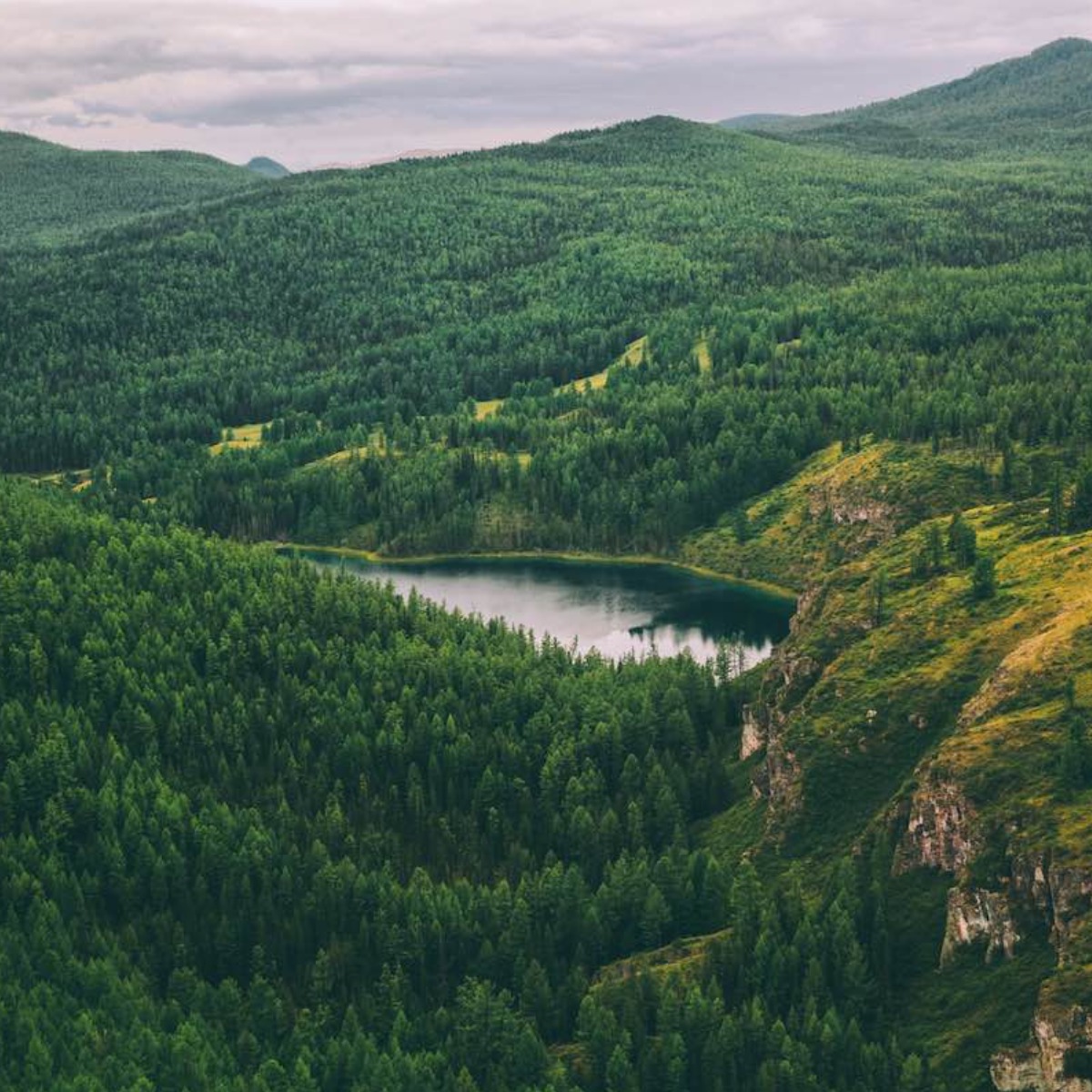
25 -year study states that forests with five tree species capture 57% more carbon compared to monocultures
Mixed forests store more carbon and strengthen the fight against climate change forests play a fundamental role in carbon capture and storage, which helps reduce the speed of global warming. However, not all forests have the same capacity for carbon absorption and retention. A recent study of the University of Friburg has shown that mixed forests, those that contain various tree species, are significantly more efficient in carbon capture than monocultures. These findings reinforce the importance of promoting forest diversity as a key strategy against climate change.
Arboreal diversity experiment in the tropics The investigation was based on data from the sardinilla experiment in Panama, started in 2001 and considered the diversity experiment of the worlds tropical tropical trees. Throughout the years, trees has allowed long -term carbon storage. The researchers examined various carbon deposits, including tree biomass, leaf litter and mineral soil. Arboreal diversity improves the capture of carbonolos results of the study indicate that forests with five tree species have a much greater carbon storage capacity than monocultures. In particular, the mixed forests captured 57 % more carbon in their biomass than the forests of a single species. However, carbon storage in the soil and underground carbon flows did not show significant variations between the different types of forest. A carbon sink resilient the benefits of forest diversity do not decrease over time; On the contrary, they are strengthened. During the study period, mixed forests demonstrated greater resistance to extreme climatic events, such as droughts caused by the child and hurricanes. According to Dr. Florian Schnabel, principal author of the study and forest scientific of the University of Freiburg, ?the ecological stability of diverse forests reduces the risk that stored carbon be released again to the atmosphere, unlike the monocultures. ?Climate Reforestation and Action This findings underline the need to prioritize tree diversity in reforestation projects to maximize carbon collection. However, the researchers warn about the limits of emission compensation by planting forests. The researcher Dr. Catherine Potvin, of the McGill University, indicated that ?the average net capture of CO2 in these forests is 5.7 tons of CO2 equivalent per hectare and per year. To compensate for the emissions of a first leg between Frankfurt and Panama City, Panama City I would require a year of growth in 11 hectares of this type of forest. ?Additional benefits of diverse forests of their carbon capture capacity, mixed forests offer multiple ecological benefits. Among them, include: ? Promotion of biodiversity: they provide habitats and food for various species of fauna and flora ? Protection against pests and diseases: their diversity reduces the spread of pests, avoiding mass losses such as those that occur in monocultures ? Water regulation and soil stability: they prevent erosion, stabilize the soil and protect the essential water sources for communities human. The promotion of tree diversity not only improves carbon capture, but also strengthens the resile of forest ecosystems in the face of climate change. Investing in mixed forests represents a key strategy to mitigate global warming, improve biodiversity and guarantee long -term ecological stability.
IT MAY INTEREST YOU
 The DNA of forests: they discover what makes a tree resist drought
An international team, with the participation of INTA and Conicet, discovered that genetics can be decisive for trees to better resist droughts
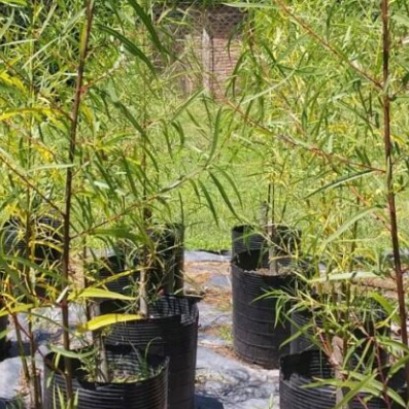 INTA Delta begins propagation of seven Creole willow clones for ecological restoration in Paraná
As a result of the rescue, domestication and registration work carried out by Teresa Cerrillo, a leading researcher in Salix Genetic Improvement, within the framework of the National Genetic and Forest Resources Programs of INTA, the multiplication and propagation of seven clones of Creole willow (Salix humboldtiana) began recently registered in the National Seed Institute (INASE) by INTA Delta del Paraná.
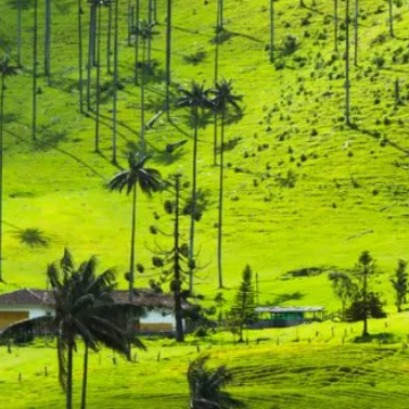 The tallest palm tree in the world is in South America: it is the height of a 20-story building
The worlds tallest palm tree stands deep in South America, a giant that challenges the limits of plant life Deep in South America, between the fog and the mountains, hides a giant tree that few know about. Majestic and silent, challenging the world on what plant life can achieve.