
Wood or tiles: What type of floor is better for a kitchen?
The answer may surprise. It is about achieving warmth, texture and lasting attraction. The options for the kitchen according to wood or tile floors. Choosing the right floor for the kitchen is essential not only for the appearance of space, but also for its practicality. While wood or tile floors are excellent options from the visual and functional, are there any prevailing over the other? What option is better? The wooden and tile floors for the kitchen offer two different styles in the same design, creating contrasting styles.
Maderala apartments Trend in how many cooking floors is that the appropriate material and colors are chosen to prevent the space from seeing cold. And the wood seems to be the chosen floor ? Wood floors provide warmth and ability to connect spaces without problems. It is recommended are the toughest and durable types of wood such as white oak or walnut. ? As a wooden floor, white oak is a versatile option, since it provides character and is resistant to daily wear. ? Wood Espiga are also gaining popularity in kitchens, thanks to their sophisticated and timeless design, and their practical advantages of tile, porcelain, or natural stone, are excellent options for very busy or outdoor kitchens ? For a kitchen with a rustic style there are some truly timeless options, both wood and tiles. For example, recovered wood can be a sustainable option, which provides texture and warmth, while natural stone tiles such as limestone (in neutral tones) can offer a timeless and organic sensation ? Although the ground of Wood can offer a better aesthetic, sometimes tiles are the most practical option, especially in kitchens that are most exposed to water than usual. In these cases, we must be creative with the choice of tiles, such as the use of a porcelain coating that imitates the natural wooden floor.
IT MAY INTEREST YOU
 The discovery of methane-producing bacteria in trees rethinks the ecological role of forests
Pioneering study shows trees surprising internal microbial diversity and potential influence on global climate, driving novel strategies for agricultural and forestry management
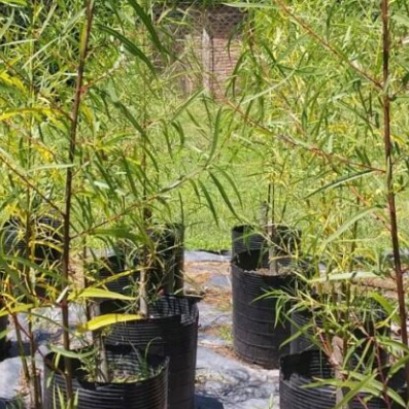 INTA Delta begins propagation of seven Creole willow clones for ecological restoration in Paraná
As a result of the rescue, domestication and registration work carried out by Teresa Cerrillo, a leading researcher in Salix Genetic Improvement, within the framework of the National Genetic and Forest Resources Programs of INTA, the multiplication and propagation of seven clones of Creole willow (Salix humboldtiana) began recently registered in the National Seed Institute (INASE) by INTA Delta del Paraná.
 The DNA of forests: they discover what makes a tree resist drought
An international team, with the participation of INTA and Conicet, discovered that genetics can be decisive for trees to better resist droughts