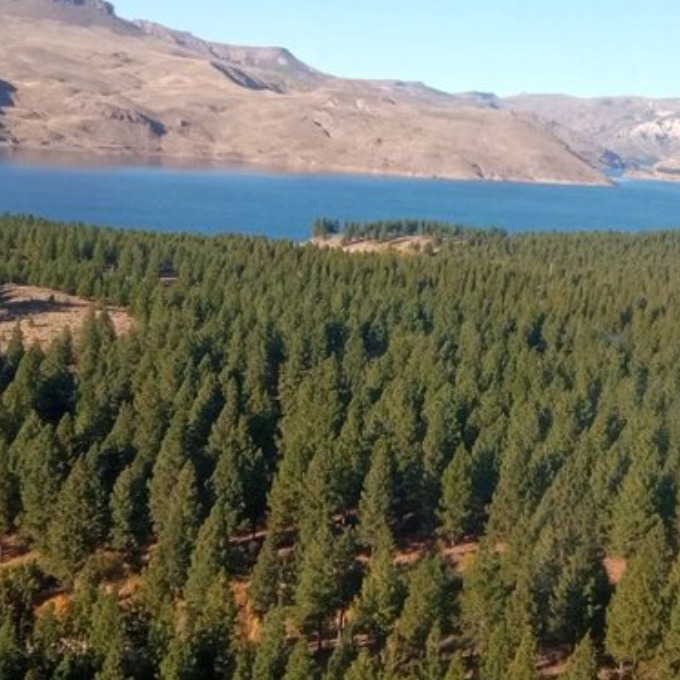
Experts in Forest Health of the South Cone will issue an update course on pests and diseases in plantations and collaborative strategies in the region
The 4 -day meeting, with workshops, talks and field days is organized by the Southern Cone Forestry Group (GSFCS). The event will bring together experts from Chile, Brazil, Uruguay and Argentina and is intended for agronomist and forestry engineers, biologists, private and public technicians, and all interested in the problem. They seek to address from the prevention and health control of forest resources, focusing on the exchange of information for risk management and management strategies at different scales.
From December 9 to 12, the city of Paysandú, Uruguay, will be the scene of a pertinent course of ?Update in Forest Health?, which will bring together professionals in Agronomy and Forest Sciences, researchers, technicians from the public and private sphere, and students of the sector linked to forest heal America, with emphasis on risk prevention, management and management. GSFCS, composed of experts from Argentina, Brazil, Chile and Uruguay, promotes regional collaboration for diagnosis, early detection and development of joint strategies against pests and diseases that They affect both commercial and native and urban forests. This collaborative approach is considered key to the sustainable management of forest resources in the region. The course will offer practical tools for the identification and management of the main health problems, as well as a conceptual basis for understanding the population dynamics of agents that cause damage In the forest mass. In addition, interactive workshops will be held that will allow participants to discuss relevant study cases and explore specific actions for each situation
IT MAY INTEREST YOU
 Nation reinforces prevention and training against forest fires
The director of the Federal Emergency Agency (AFE), Santiago Hardie, referred to the support that the Nation provides in fighting fires. He argued that the majority of igneous sources respond to human interventions and that, therefore, social awareness is a central tool to reduce environmental, material and human damage.
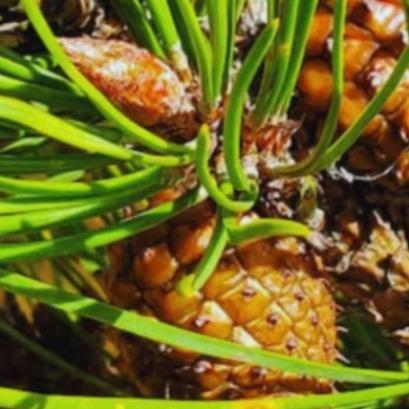 The DNA of forests: they discover what makes a tree resist drought
An international team, with the participation of INTA and Conicet, discovered that genetics can be decisive for trees to better resist droughts
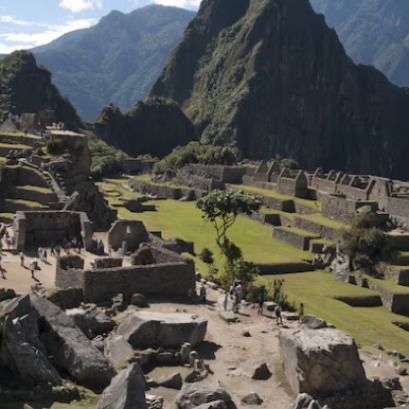 Reforestation advances in the Historic Sanctuary of Machu Picchu with new restored hectares
The plan includes the planting of a thousand new trees in the sanctuary, in response to the damage caused by forest fires and environmental threats, with the support of local authorities and representatives of the tourism sector.