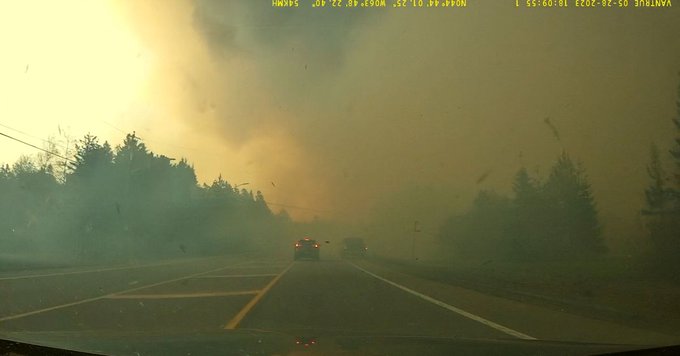
Canada faces worst wildfire season in its history
There are currently 413 active forest fires
Around 26,000 people are under evacuation orders across Canada. “The distribution of fires from coast to coast this year is unusual. At this time of year, fires typically only occur on one side of the country at a time, most often in the west," said Michael Norton, an official with Natural Resources Canada.
Fires are burning in almost all Canadian provinces and territories. Flames have spread rapidly in eastern Canada and have forced evacuations in the Atlantic province of Nova Scotia, as well as coastal Quebec.
“In the last 20 years, we have never seen such a large area burned so early in the season,” said Yan Boulanger, a researcher at Natural Resources Canada. “Partly due to climate change, we are seeing trends toward increased area burned across Canada.

IT MAY INTEREST YOU
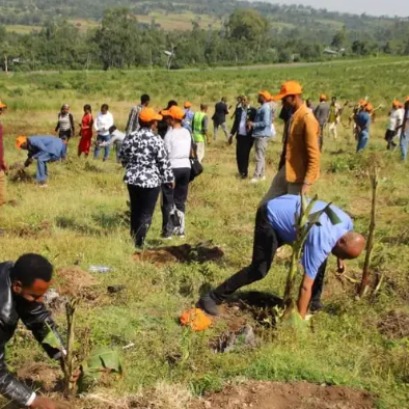 The country that planted 350 million trees in one day and caused great consequences
Discover the country that planted 350 million trees in one day and caused great consequences Climate change and deforestation have caused great ecological damage in many places. For this reason, a country planted 350 million trees in one day and thus obtained a world record, although it is estimated that in 2025, it will plant twice as many.
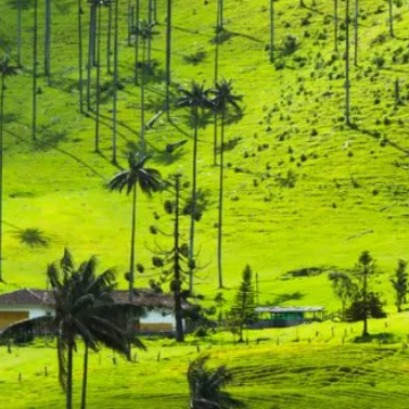 The tallest palm tree in the world is in South America: it is the height of a 20-story building
The worlds tallest palm tree stands deep in South America, a giant that challenges the limits of plant life Deep in South America, between the fog and the mountains, hides a giant tree that few know about. Majestic and silent, challenging the world on what plant life can achieve.
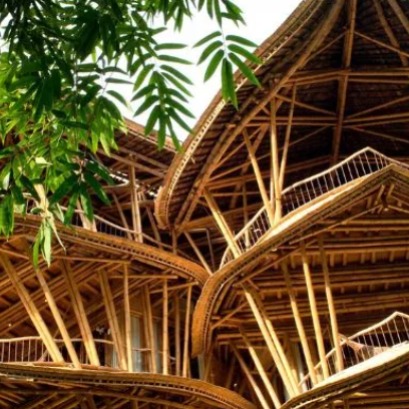 The South American country that changes construction thanks to an ancient, mega-resistant material: more than steel
This material that grows in South America creates the most resistant constructions and radically changes the world of architecture One particular building material has been used for millennia by various cultures in South America. This is due to its structural resistance that allows the creation of homes, bridges and shelters. Its archaeological presence shows that it was one of the most valued construction resources in seismic and humid areas.