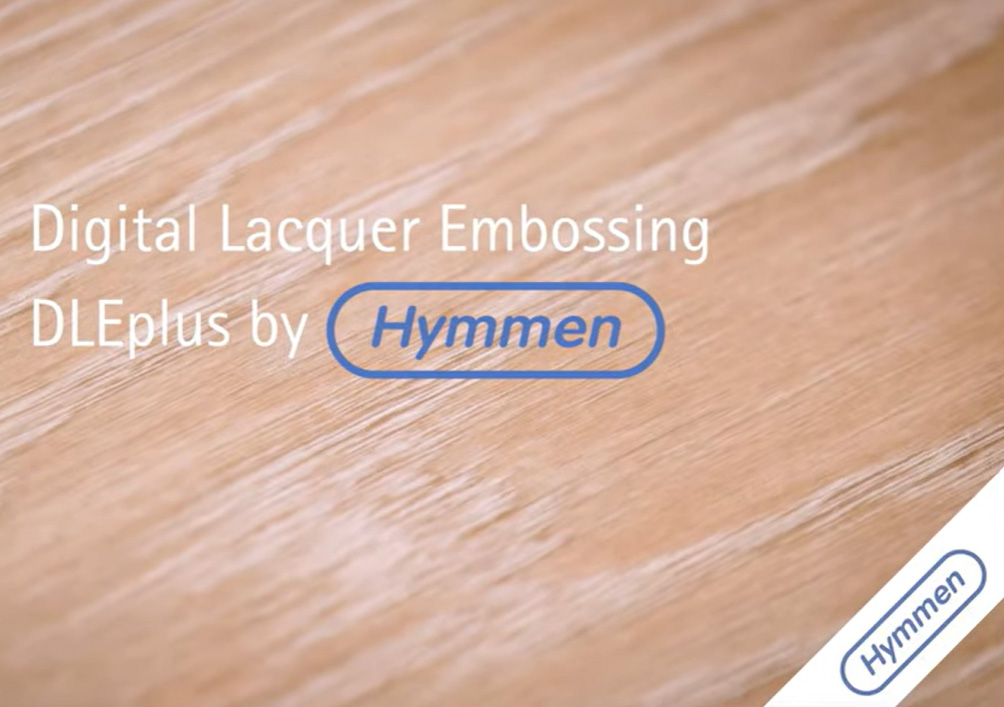

The best wood ever printed - Flooring Production with DLEplus
We would like to invite you to persuade yourself of the high surface quality.
Recently we produced fantastic flooring samples with the Digital Lacquer Embossing (DLEplus) technology in our technology center. Optics and haptics of these surfaces are so close to nature, that you can hardly distinguish them from original wood.
More than 50 digital printing lines in the market show that many relevant market players trust in the reliable Hymmen technology. And all of the 6 new digital flooring lines sold over the last 12 months are equipped with the DLEplus technology.
Our technology has three fully developed surface options to chose from:
- Visco-elastic (AC5 falling sand)
- Aluminium oxide (S42 Taber)
- Wearlayer lamination.
The embossing is 100% in register. Persuade yourself of the best wood ever printed - with DLEplus by Hymmen!
You are welcome to contact us for further information.
Hymmen GmbH
Maschinen- und Anlagenbau

IT MAY INTEREST YOU
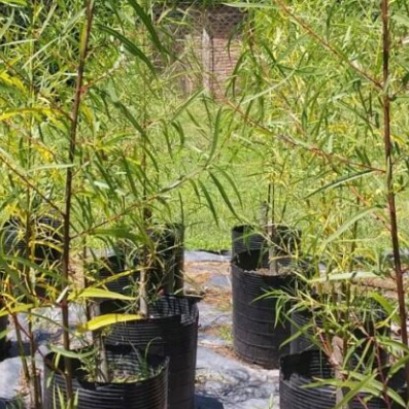 INTA Delta begins propagation of seven Creole willow clones for ecological restoration in Paraná
As a result of the rescue, domestication and registration work carried out by Teresa Cerrillo, a leading researcher in Salix Genetic Improvement, within the framework of the National Genetic and Forest Resources Programs of INTA, the multiplication and propagation of seven clones of Creole willow (Salix humboldtiana) began recently registered in the National Seed Institute (INASE) by INTA Delta del Paraná.
 Color the streets pink and white in spring: which is the most beautiful tree in the world and why, according to AI
Its delicate branches, the soft tones of its petals and the harmonious shape of the tree make it an almost poetic image.
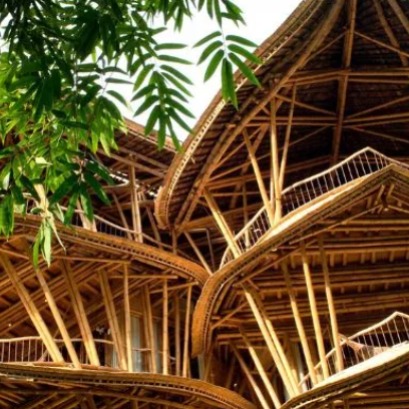 The South American country that changes construction thanks to an ancient, mega-resistant material: more than steel
This material that grows in South America creates the most resistant constructions and radically changes the world of architecture One particular building material has been used for millennia by various cultures in South America. This is due to its structural resistance that allows the creation of homes, bridges and shelters. Its archaeological presence shows that it was one of the most valued construction resources in seismic and humid areas.