Tmatt Transformad's
Zero Line edgebands for Tmatt Transformad's surfaces
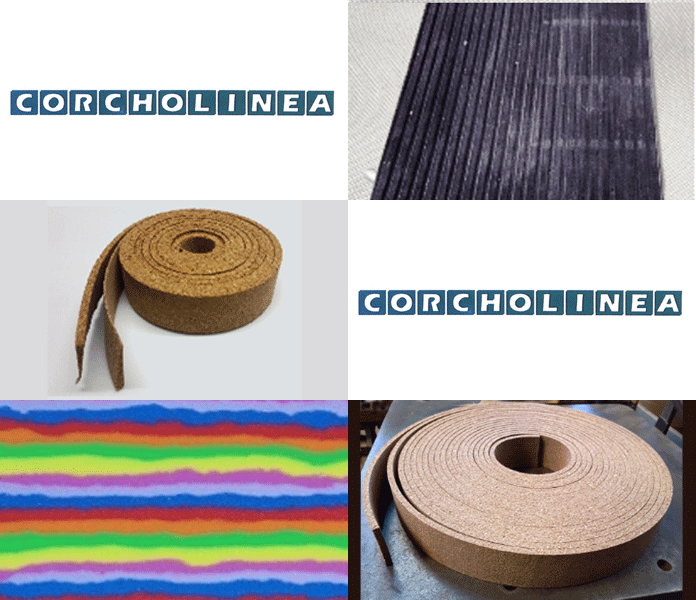
It has been a year since Cantisa introduced PVC edges for Transformad's ultramate Tmatt surfaces. Now, the Spanish company completes its edgeband collection with the coextruded laser ABS version for the six boards of Transformad's catalogue.
These boards are extra-resistant, with high-tech surface and a very pleasant touch. Therefore, our Zero Line edgebands are the perfect allies to achieve an unbeatable result for Transformad’s innovative boards.
Download Tmatt cross-reference table or visit Cantisa’s edgeband finder in order to know all the references available.
The complete collection in PVC and ABS coextruded version
The laser technology can be considered as one of the most recent innovations of the edgebanding industry. The objective of these skilled techniques is making the joint between the edge and the surface almost invisible for the customer.
Add decorative value to Transformad's boards
Cantisa's aim is to help interior designers and furniture manufacturers choosing an edgeband that gives to their projects an innovative and avant-garde look.
That is why, Cantisa recommend combining Transformad's plain-colour boards with edges that give to their furniture a decorative value. Combine Cantisa’s exclusive mosaic edgeband with light surfaces, such as Transformad Bianco Zen, and surprise your customers.

IT MAY INTEREST YOU
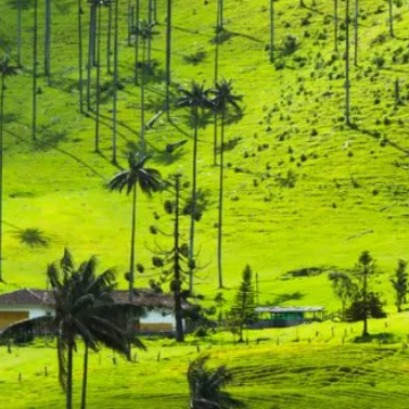 The tallest palm tree in the world is in South America: it is the height of a 20-story building
The worlds tallest palm tree stands deep in South America, a giant that challenges the limits of plant life Deep in South America, between the fog and the mountains, hides a giant tree that few know about. Majestic and silent, challenging the world on what plant life can achieve.
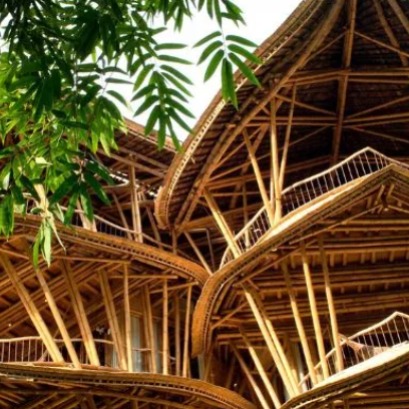 The South American country that changes construction thanks to an ancient, mega-resistant material: more than steel
This material that grows in South America creates the most resistant constructions and radically changes the world of architecture One particular building material has been used for millennia by various cultures in South America. This is due to its structural resistance that allows the creation of homes, bridges and shelters. Its archaeological presence shows that it was one of the most valued construction resources in seismic and humid areas.
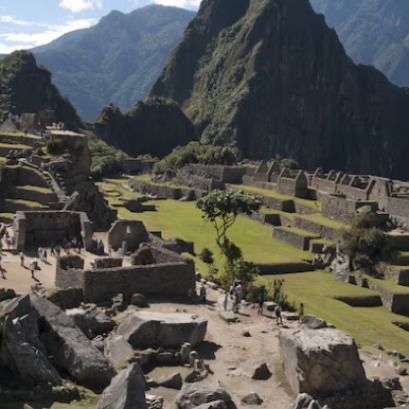 Reforestation advances in the Historic Sanctuary of Machu Picchu with new restored hectares
The plan includes the planting of a thousand new trees in the sanctuary, in response to the damage caused by forest fires and environmental threats, with the support of local authorities and representatives of the tourism sector.