Los árboles sagrados de África se mueren y nadie sabe por qué
El baobab, el mítico árbol que Saint-Exupéry hizo famoso en «El Principito», es sagrado para muchos africanos.
El baobab, el mítico árbol que Saint-Exupéry hizo famoso en «El Principito», es sagrado para muchos africanos. Bajo sus ramas no se debe maldecir y solo aquellos considerados sabios pueden recoger sus frutos y hojas. Llamado comúnmente «árbol mágico», «de la vida» e, incluso, «de la rata muerta», por la forma de sus frutos, resulta fascinante por su gigantesco tamaño y su extrema longevidad. Algunos ejemplares pueden llegar a superar los 30 metros de altura, contener hasta 500 metros cúbicos de madera y enormes centros huecos, y vivir 2.000 años. Sin embargo, algo fatal les está ocurriendo: desde 2005, los ejemplares más grandes y longevos mueren de forma misteriosa. Los científicos no conocen los motivos y están desconcertados.

IT MAY INTEREST YOU
 The discovery of methane-producing bacteria in trees rethinks the ecological role of forests
Pioneering study shows trees surprising internal microbial diversity and potential influence on global climate, driving novel strategies for agricultural and forestry management
 Nation reinforces prevention and training against forest fires
The director of the Federal Emergency Agency (AFE), Santiago Hardie, referred to the support that the Nation provides in fighting fires. He argued that the majority of igneous sources respond to human interventions and that, therefore, social awareness is a central tool to reduce environmental, material and human damage.
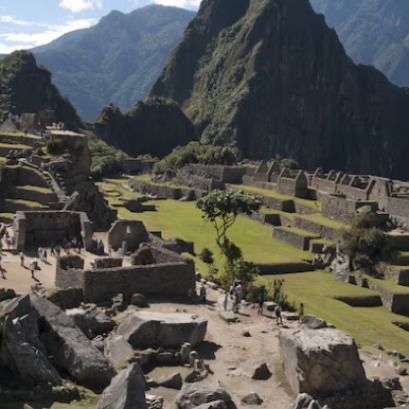 Reforestation advances in the Historic Sanctuary of Machu Picchu with new restored hectares
The plan includes the planting of a thousand new trees in the sanctuary, in response to the damage caused by forest fires and environmental threats, with the support of local authorities and representatives of the tourism sector.