Brasil redujo en un 16% la deforestación de la Amazonia
El aumento de la fiscalización, según el Ministerio de Medio Ambiente, le permitió a Brasil reducir este año el área deforestada en la mayor selva tropical del mundo.
La Amazonia brasileña perdió 6.624 kilómetros cuadrados de cobertura vegetal entre agosto de 2016 y julio de 2017, un área aproximada a la de la región metropolitana de Río de Janeiro y en un 16% inferior a la deforestada en el año inmediatamente anterior (2015-2016), informó el gobierno.
El aumento de la fiscalización, según el Ministerio de Medio Ambiente, le permitió a Brasil reducir este año el área deforestada en la mayor selva tropical del mundo con respecto a la destruida entre agosto de 2015 y julio de 2016, que ascendió a 7.989 kilómetros cuadrados (19% superior a la del año inmediatamente anterior).

IT MAY INTEREST YOU
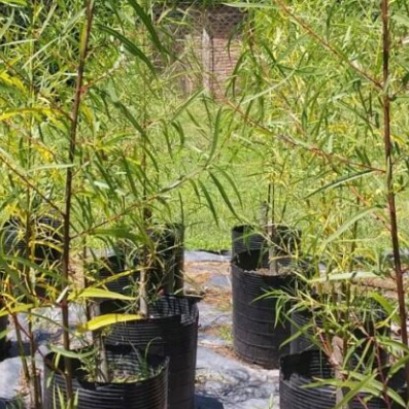 INTA Delta begins propagation of seven Creole willow clones for ecological restoration in Paraná
As a result of the rescue, domestication and registration work carried out by Teresa Cerrillo, a leading researcher in Salix Genetic Improvement, within the framework of the National Genetic and Forest Resources Programs of INTA, the multiplication and propagation of seven clones of Creole willow (Salix humboldtiana) began recently registered in the National Seed Institute (INASE) by INTA Delta del Paraná.
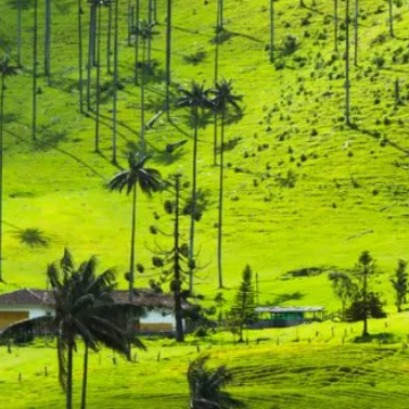 The tallest palm tree in the world is in South America: it is the height of a 20-story building
The worlds tallest palm tree stands deep in South America, a giant that challenges the limits of plant life Deep in South America, between the fog and the mountains, hides a giant tree that few know about. Majestic and silent, challenging the world on what plant life can achieve.
 The discovery of methane-producing bacteria in trees rethinks the ecological role of forests
Pioneering study shows trees surprising internal microbial diversity and potential influence on global climate, driving novel strategies for agricultural and forestry management