Preocupa la caída de la forestación en Mendoza
El inventario que hizo la Nación reveló que actualmente hay 6.197 hectáreas forestadas y hace 10 años eran 15.000.
La situación de la forestación en Mendoza quedó al desnudo cuando el inventario reflejó que actualmente en la provincia hay 6.197 hectáreas forestadas y 3.434 kilómetros de lo que se denomina cortinas, que son árboles que generalmente se plantan en línea para proteger frutales o viñedos. Todo esto generado en el marco de la ley de inversiones para bosques cultivados.
La situación es preocupante porque hace 10 años eran 15.000 las hectáreas forestadas en la provincia y eso nos indica que si no cambiamos esta realidad en 5 años vamos a tener una escasez de madera. Es una gran oportunidad para modificar la ley existente y planificar una plantación apuntando a la diversificación del uso de la madera", dijo Sergio Videla, titular de la Asociación de Empresarios de la madera local (ADEMA)

IT MAY INTEREST YOU
 Nation reinforces prevention and training against forest fires
The director of the Federal Emergency Agency (AFE), Santiago Hardie, referred to the support that the Nation provides in fighting fires. He argued that the majority of igneous sources respond to human interventions and that, therefore, social awareness is a central tool to reduce environmental, material and human damage.
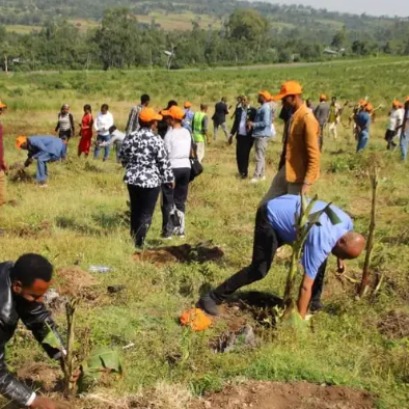 The country that planted 350 million trees in one day and caused great consequences
Discover the country that planted 350 million trees in one day and caused great consequences Climate change and deforestation have caused great ecological damage in many places. For this reason, a country planted 350 million trees in one day and thus obtained a world record, although it is estimated that in 2025, it will plant twice as many.
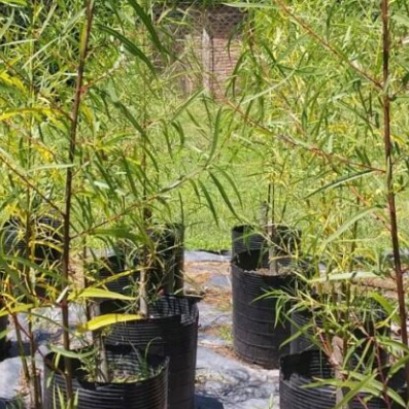 INTA Delta begins propagation of seven Creole willow clones for ecological restoration in Paraná
As a result of the rescue, domestication and registration work carried out by Teresa Cerrillo, a leading researcher in Salix Genetic Improvement, within the framework of the National Genetic and Forest Resources Programs of INTA, the multiplication and propagation of seven clones of Creole willow (Salix humboldtiana) began recently registered in the National Seed Institute (INASE) by INTA Delta del Paraná.