La preservación de bosques nativos también involucra a las compañías
La Argentina perdió una hectárea de bosque cada dos minutos
Según cifras de Banco de Bosques, en los últimos 25 años, la Argentina perdió una hectárea de bosque cada dos minutos. Como resultado, ya se perdió el 70% de los bosques nativos. Muchas empresas prestaron atención a la alarmante cifra y desarrollaron alianzas para atender esta problemática. El desarrollo de programas vinculados a la preservación y regeneración de ecosistemas que permite evitar inundaciones, suelos desérticos y que el país siga teniendo recursos naturales que son vitales para la vida. Crear nuevas áreas protegidas o regenerar ecosistemas es una tarea a compromete no sólo a fundaciones u organismos públicos sino también a empresas.

IT MAY INTEREST YOU
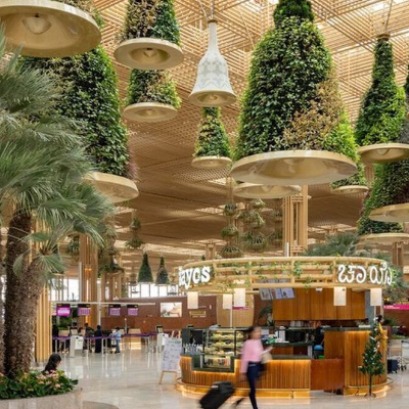 More wood | Air terminals as well-being spaces with design and natural atmosphere
In a world in which mental health, comprehensive well-being and connection with nature are increasingly urgent, wood appears as an increasingly chosen material to transform not only how we live, but also how we feel and move.
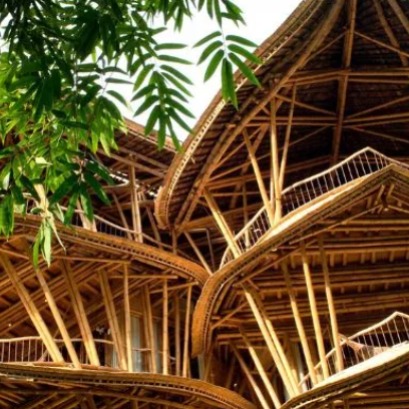 The South American country that changes construction thanks to an ancient, mega-resistant material: more than steel
This material that grows in South America creates the most resistant constructions and radically changes the world of architecture One particular building material has been used for millennia by various cultures in South America. This is due to its structural resistance that allows the creation of homes, bridges and shelters. Its archaeological presence shows that it was one of the most valued construction resources in seismic and humid areas.
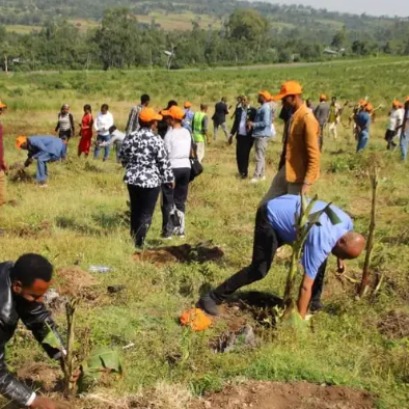 The country that planted 350 million trees in one day and caused great consequences
Discover the country that planted 350 million trees in one day and caused great consequences Climate change and deforestation have caused great ecological damage in many places. For this reason, a country planted 350 million trees in one day and thus obtained a world record, although it is estimated that in 2025, it will plant twice as many.