"Kiri" o "Paulownia Tomentosa" o "Árbol Imperial u Emperatriz"
Su madera es libre de nudos, es fácil de trabajar, resiste cuarteaduras y torceduras y pesa tres veces menos que las maderas convencionales.
Resistente al fuego (punto de ignición de 247ºC).
Soporta bien el frío (-17ºC) y el calor (45ºC).
Resistente a condiciones moderadas de sequía una vez desarrollado (1-2 años).
Alta capacidad de absorción de nitrógeno.
Descontaminación de suelos (nitratos, nitritos, arsénico, metales pesados, etc.).
Tiempo de secado muy corto, 20-40 días al aire libre (hasta 12% humedad).
Muy resistente y relativamente libre de enfermedades.
Convive con otras especies
Acepta cultivos intercalados (cereales, pastizales).
Las hojas son más nutritivas que la alfalfa para alimentar a los animales.
Las hojas sirven de forraje o abono (por su alto contenido de nitrógeno), y llegan a medir hasta 1 metro de diámetro, lo cual lo hace un gran recurso ecológico en la lucha contra la contaminación del aire.
Vive hasta 100 años y retoña hasta 5 veces del mismo tronco.
Aumenta la humedad relativa, reduce la evaporación y aumenta la producción de los cultivos de vegetales y granos.
Esto significa que, en comparación con otros árboles, el Kiri "ahorra" agua, pues en una sola temporada de crecimiento puede alcanzar un gran desarrollo, equivalente al de otras especies en varios años.
NIVELES DE RESISTENCIA
Contaminación: Normal
Ambiente marítimo: Normal
Encharcamiento: Normal
Plagas: Pocas
Insolación: Sol o sombra indistintamente
Es el árbol que más rápido crece en el planeta. En ocho años, puede alcanzar el tamaño de un roble de 40. Puede subsistir en suelos y aguas contaminadas, pues purifica los lugares en los que crece. Sus hojas consumen diez por ciento más de dióxido de carbono que las de otros árboles. Por tanto, emiten más oxigeno. También se pueden utilizar para hacer té.

IT MAY INTEREST YOU
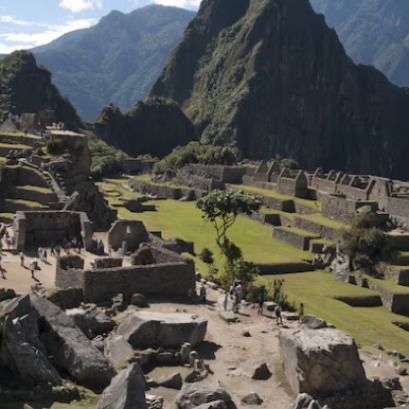 Reforestation advances in the Historic Sanctuary of Machu Picchu with new restored hectares
The plan includes the planting of a thousand new trees in the sanctuary, in response to the damage caused by forest fires and environmental threats, with the support of local authorities and representatives of the tourism sector.
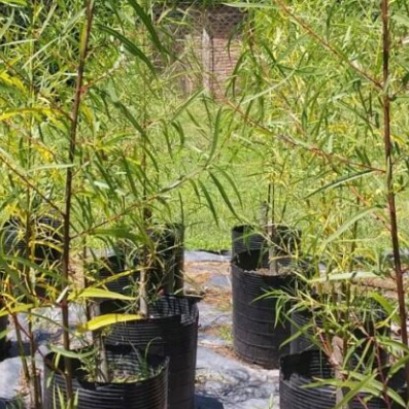 INTA Delta begins propagation of seven Creole willow clones for ecological restoration in Paraná
As a result of the rescue, domestication and registration work carried out by Teresa Cerrillo, a leading researcher in Salix Genetic Improvement, within the framework of the National Genetic and Forest Resources Programs of INTA, the multiplication and propagation of seven clones of Creole willow (Salix humboldtiana) began recently registered in the National Seed Institute (INASE) by INTA Delta del Paraná.
 The DNA of forests: they discover what makes a tree resist drought
An international team, with the participation of INTA and Conicet, discovered that genetics can be decisive for trees to better resist droughts