Producción mundial de madera repunta liderada por América Latina y el Caribe
La producción maderera a nivel mundial registró un gran crecimiento en los últimos cinco años, siendo América Latina y el Caribe, así como Asia y el Pacífico, los mayores productores.
La Organización de Naciones Unidas para la Alimentación y la Agricultura (FAO) dio a conocer los datos más recientes de ese mercado que registró un aumento del 1 al 5% , superando los niveles previos a la recesión de los años 2008 y 2009.
La FAO destacó, en un comunicado, que el sector fue uno de los más afectados durante la crisis económica mundial, por lo que la noticia de su repunte es importante para las economías y el bienestar de las poblaciones que dependen de los bosques como medio de subsistencia.
La industria abarca productos como la madera en rollo industrial, la aserrada, los tableros de madera, pasta y papel.

IT MAY INTEREST YOU
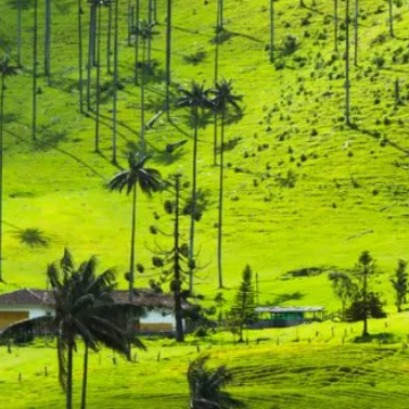 The tallest palm tree in the world is in South America: it is the height of a 20-story building
The worlds tallest palm tree stands deep in South America, a giant that challenges the limits of plant life Deep in South America, between the fog and the mountains, hides a giant tree that few know about. Majestic and silent, challenging the world on what plant life can achieve.
 The country that planted 350 million trees in one day and caused great consequences
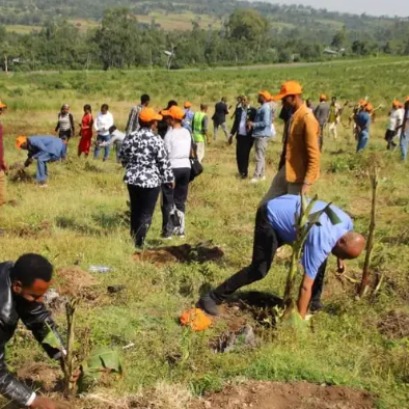
Discover the country that planted 350 million trees in one day and caused great consequences Climate change and deforestation have caused great ecological damage in many places. For this reason, a country planted 350 million trees in one day and thus obtained a world record, although it is estimated that in 2025, it will plant twice as many.
 The South American country that changes construction thanks to an ancient, mega-resistant material: more than steel
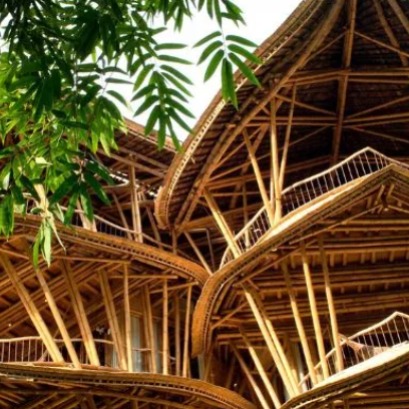
This material that grows in South America creates the most resistant constructions and radically changes the world of architecture One particular building material has been used for millennia by various cultures in South America. This is due to its structural resistance that allows the creation of homes, bridges and shelters. Its archaeological presence shows that it was one of the most valued construction resources in seismic and humid areas.